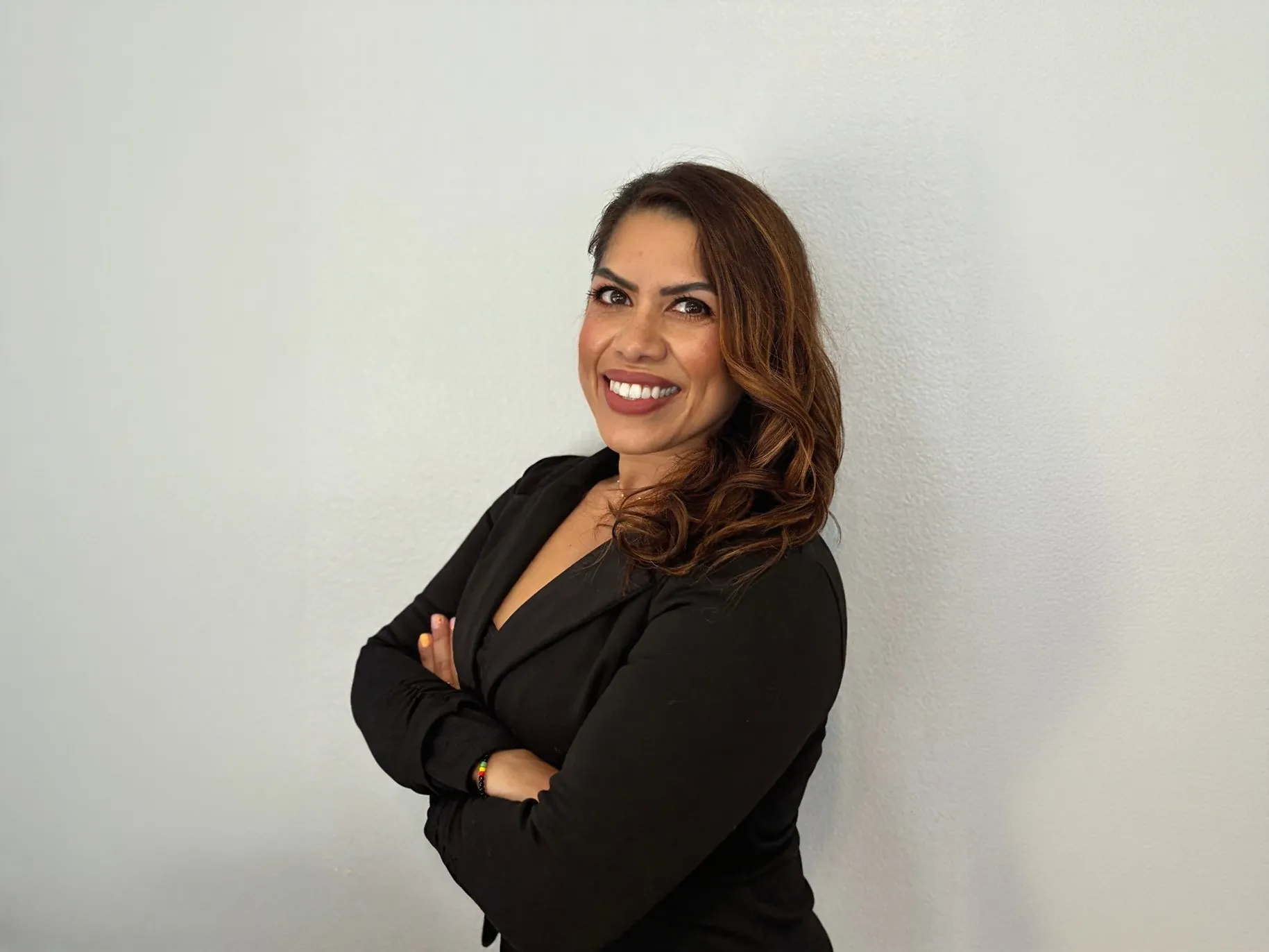
For Leslie Perez, DNP ’26, nursing is more than a career. It is a calling and an opportunity to make patients feel seen, heard, and cared for during some of the most vulnerable moments of their lives. Inspired by a nurse who once showed her compassion, Perez has carried that same commitment into the care she provides. Today, Perez is not only advancing a passion for patient care through the Doctor of Nursing Practice program (DNP) at Azusa Pacific University, but also supporting fellow students through leadership in the Doctoral Student Association (DSA) and peer mentorship.
Key Takeways
- Leslie Perez, DNP ’26, is pursuing her Doctor of Nursing Practice at Azusa Pacific University and became the first BSN‑to‑DNP student elected to APU’s Doctoral Student Association (DSA).
- Perez’s DNP project focuses on health literacy, helping providers and clinical staff recognize when patients don’t fully understand medical information and communicate it in clearer, more accessible language.
- Fluent in Spanish, Perez draws on her own family’s experience with language barriers in healthcare to help Spanish‑speaking patients better understand their treatment plans.
Choosing APU’s DNP Over a Master’s Degree
Perez reflected on the nurse who inspired her to pursue the same career. “She treated me with compassion, without judgment, and made me feel like a human,” said Perez. “I remember that feeling, and I wanted to make people feel that way as well.” That interaction showed Perez the meaningful impact nurses can have on patients and inspired her to explore the education she’d need to become a nurse, which led her to APU. “I originally wanted to get a master’s, but I saw that APU offered a DNP program, and I decided I wanted a terminal degree.”
When applying to nursing school, Perez knew several nurse practitioners who had continued their education at APU. “I have so much admiration for the nurses I work with,” said Perez.
They are all so knowledgeable, and I knew APU would provide an environment where I could build on my nursing foundation and continue growing professionally.Leslie Perez, DNP '26
Finding Community in a Rigorous Doctoral Program
Their knowledge and professional accomplishments gave Perez confidence in the education APU would provide. During her time as a DNP student, Perez has found the knowledge and experience to be both intensive and rewarding. “The workload has been challenging, but I’ve been able to meet people each semester that I connect with and maintain friendships with outside of classes,” said Perez. Her relationships with her peers have made the program’s challenges more enjoyable and created a strong sense of community.
A DNP Project Focused on Health Literacy
As part of the DNP program, Perez has had the opportunity to focus on health literacy and the importance of identifying patients who may have limited health literacy. “It’s pointless to give information to someone if they can’t understand it,” said Perez. Her project aims to help providers and clinical staff recognize when patients may not fully grasp medical information or treatment instructions. “The goal is to actually have providers and clinical staff identify when patients have limited health literacy so that they can provide the information in ways that are easier to understand for them,” said Perez. “For example, not everyone knows what hypertension is, what its diagnosis means, and what its treatment options are. If we change our language and explain that hypertension is high blood pressure and explain the purpose that certain medications serve to lower blood pressure, that information will be conveyed in a more helpful way.”
Perez has seen health literacy challenges firsthand through family experiences and understands how easily patients can leave appointments without fully understanding their treatment instructions. “For example, English is my mom’s second language, so when she goes to her doctor’s appointments, she will come back not knowing a word of what the doctor said to her,” said Perez. “You can have a conversation with someone, but that doesn't mean that they really understand what you're saying.” Perez’s fluency in Spanish has allowed her to help Spanish-speaking patients better understand information about their care. “I want to make sure that my patients fully understand their providers and treatment plans,” said Perez. “Patients don’t want to come across as difficult, so they often don’t ask questions. Our job is to break their treatment down and confirm as healthcare providers that they understand.” Perez hopes to encourage healthcare providers to adjust their language so that information is communicated in ways that patients can grasp. Aside from communication and care, Perez most enjoys the authenticity and personality of her patients. “They’re brutally honest, and they’ll tell you the reality of their life,” said Perez. For Perez, those meaningful interactions are what make working with patients so enjoyable. She likes listening to patients and finding ways to work with their individual needs and goals.
Leading APU’s Doctoral Student Association
As the first BSN-to-DNP student elected to the DSA, Perez has connected with students in different doctoral pathways and discovered shared experiences. “It’s amazing to see all of APU’s DNP and (nursing) PhD students come together on the same platform,” said Perez. Being elected to the association was an unexpected but meaningful opportunity for Perez. She did not initially seek out the position, only joining after a friend encouraged her to get involved, but she has loved her experience on the DSA. Through the DSA, Perez helps represent fellow students and contributes to a sense of community within the program.
If students have a question or concern, I can help bring it forward and make sure their voices are represented.Leslie Perez, DNP '26
Advice for Balancing Doctoral Studies and Life
Perez understands the challenges of balancing nursing school with work and other responsibilities. Because she has experienced those challenges firsthand, Perez hopes to share helpful strategies and provide support to students navigating similar situations. “I love the opportunity to help others when I’ve been in their shoes. Persevering through life requires a support system,” said Perez. “I have experienced that in my own life, by balancing working full-time with pursuing a rigorous doctoral degree.”
Perez’s biggest piece of advice for nursing students is simple: “Just keep going. School is challenging. Don’t give up, because if you have that fire in you to provide care for others, that’s what’s going to motivate you to keep going.” Perez said what’s helped her most is taking a step back, breathing, praying, and relying on a strong support system. Having that can help students navigate difficult moments and remember their why. Most importantly, she encourages students to hold on to their motivation and trust in God that they will make it through.